From the right to water to the right of the river to flow
Water is a living being
While this may seem self-evident, legal frameworks matter in the societies we live in: they can turn recognition into obligations and hold governments and authorities accountable for concrete action.
Two important legal developments have emerged in recent decades:
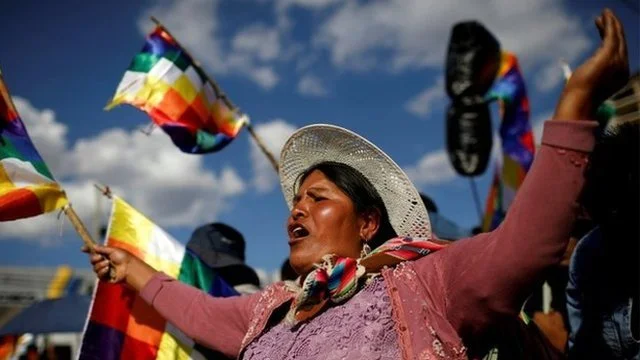
In 2010, the UN General Assembly recognised access to safe drinking water and sanitation as a human right, establishing water as something governments have a responsibility to protect and provide.
In 2008, Ecuador became the first country to enshrine the rights of nature in its constitution, recognising nature as a rights-bearing subject. This has since informed a growing body of law recognising rivers as having rights of their own, including the right to exist and to flow.
Flow's pledge calls on governments to recognise and uphold both: the human right to water and the rights of rivers.
Read the UN resolution adopted by the General Assembly.
The right of rivers to flow: a newer legal frontier
The rights of nature movement extends this principle beyond human needs, recognising nature, including rivers, as a rights-bearing subject.
For rivers, this can include rights to exist, to flow, to remain free from contamination, and to have their ecosystems protected and restored. It also raises an important question of representation: if a river has rights, who can defend them?
In many of the legal frameworks that have emerged, Indigenous peoples and local communities have been central to this role, drawing on longstanding relationships with and responsibility for the rivers they depend on.

A short timeline
2008 - Ecuador
Ecuador became the first country in the world to enshrine the rights of nature in its constitution, establishing a landmark legal framework that has influenced many of the cases that followed.
The Constitutional Court recognised the Atrato River as a rights-bearing entity, with the Colombian state and local communities appointed as its joint guardians.
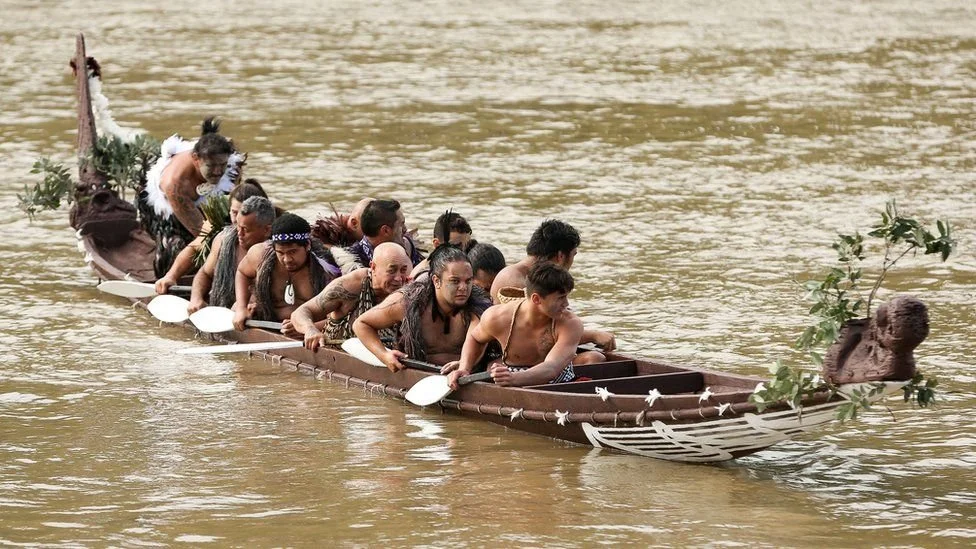
Parliament granted the Whanganui River legal personhood through the Te Awa Tupua Act, following more than 140 years of Māori advocacy. The case has become one of the most widely cited models for recognising river rights and guardianship in law.
2017 - India recognised, then overturned
The Uttarakhand High Court recognised the Ganga and Yamuna as legal entities with rights, appointing government officials as their legal custodians. The Supreme Court of India overturned the ruling later that year, leaving the rivers' legal personhood without effect.
The Mar Menor lagoon was granted legal personhood after a citizens' legislative initiative gathered more than 600,000 signatures. It was the first major rights-of-nature law in Europe and a significant example of legal rights for nature being established through public mobilisation and legislation rather than through a court ruling.
2026 - Ongoing · Ecuador
A court in Ecuador recognised that mining activities in the Ortega River basin violated the river's rights under the country's rights-of-nature framework, citing environmental damage and a lack of prior consultation with the Indigenous community of Ortega Alto. The decision is now under appeal.
Follow the case: Eco Jurisprudence Monitor: Ecuador court case: mining in the Ortega River basin