
Two Seas: One Story
Bothnian Bay
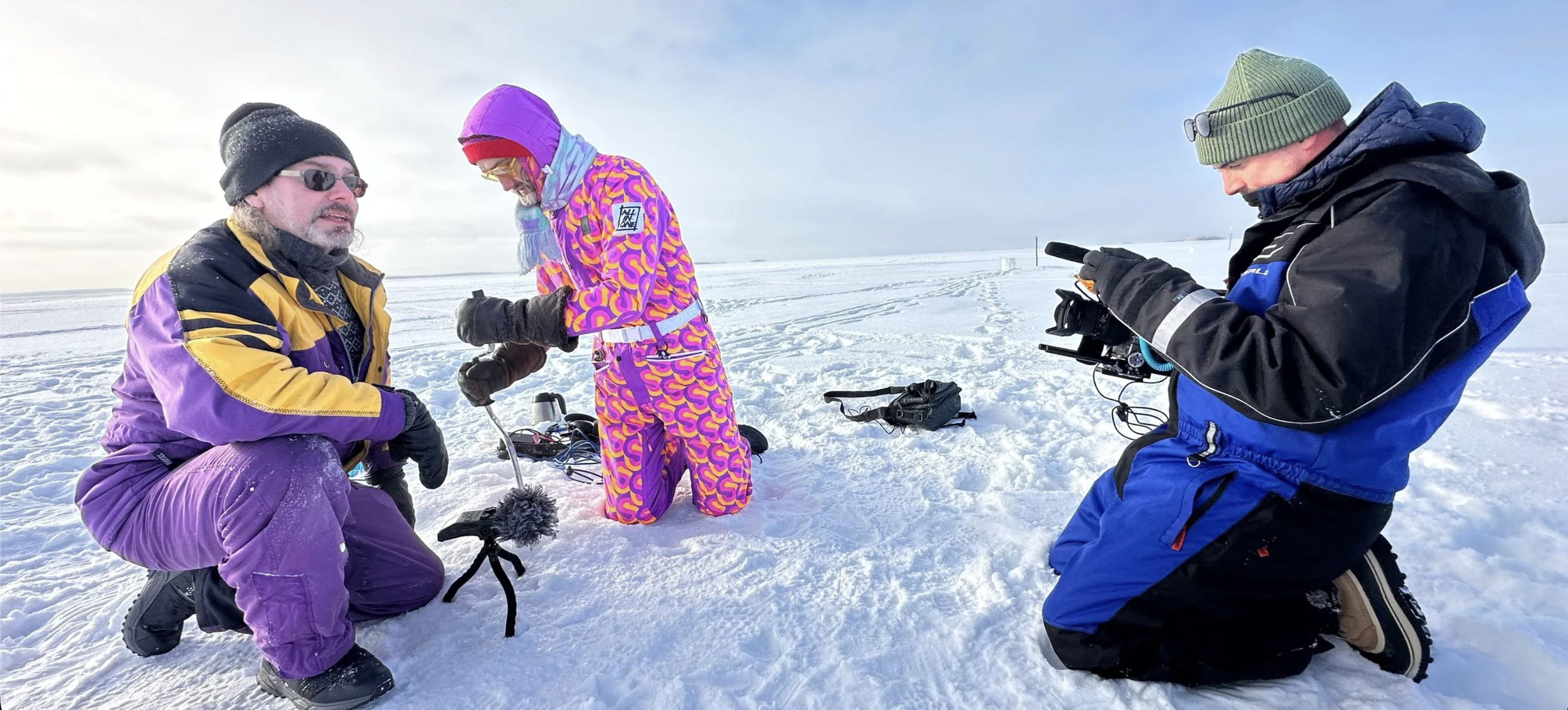
The Bothnian Bay, the northernmost arm of the Baltic Sea tucked between Finland and Sweden, is one of the most climate-sensitive bodies of water in the world.
Fed by several large rivers and relatively unaffected by tides, it has low salinity and has historically frozen each winter — often for up to six months. That pattern is now measurably changing. Ice cover here has been declining steadily for decades, with the duration of the winter ice season shortening by days in recent decades, and some years seeing dramatically reduced or patchy cover. This is a direct consequence of rising temperatures driven by human-induced climate change — Europe is the fastest-warming continent, with its Arctic regions warming particularly fast.
The ecological consequences ripple outward. The Bothnian Bay is by far the most important breeding habitat for the Baltic ringed seal, which depends entirely on stable sea ice for pupping and moulting — successful land breeding is unknown in this subspecies. When ice cover fails or breaks up early, pup survival collapses. Fish populations, coastal bird species, and the unique brackish-water ecosystem of the bay are all calibrated to seasonal ice rhythms that are now being disrupted. Culturally, ice has shaped livelihoods, traditions, and identities across Finnish and Swedish coastal communities for centuries. Its retreat is both an ecological signal and a lived loss.
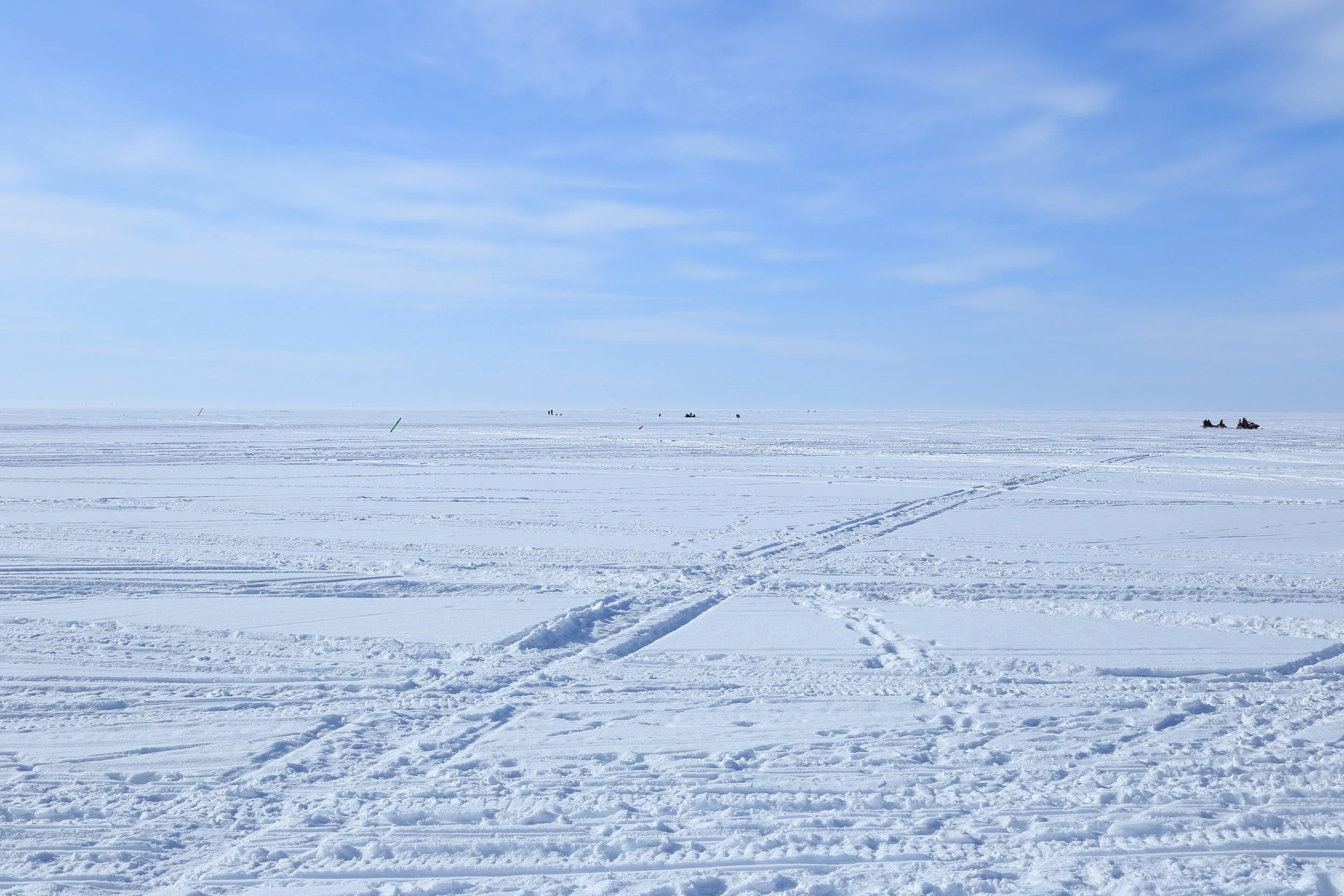
The Bothnian Bay is a story of climate change acting on a living system — one that is still freezing each winter, but visibly and measurably changing in ways that threaten the species and communities that depend on it.
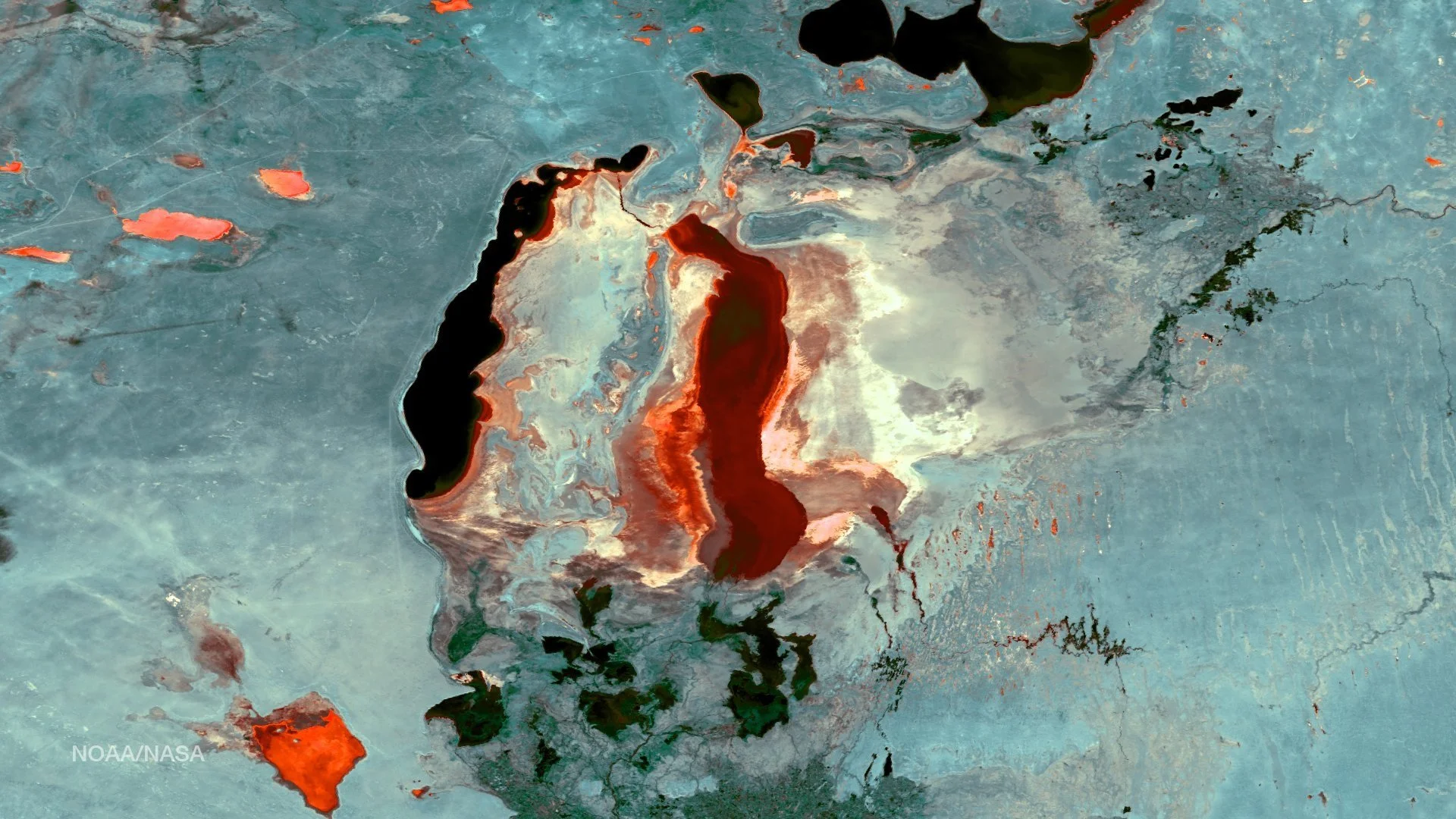
The Aral Sea — more accurately a vast inland lake straddling present-day Kazakhstan and Uzbekistan — was once the fourth largest lake in the world, covering around 68,000 square kilometres.
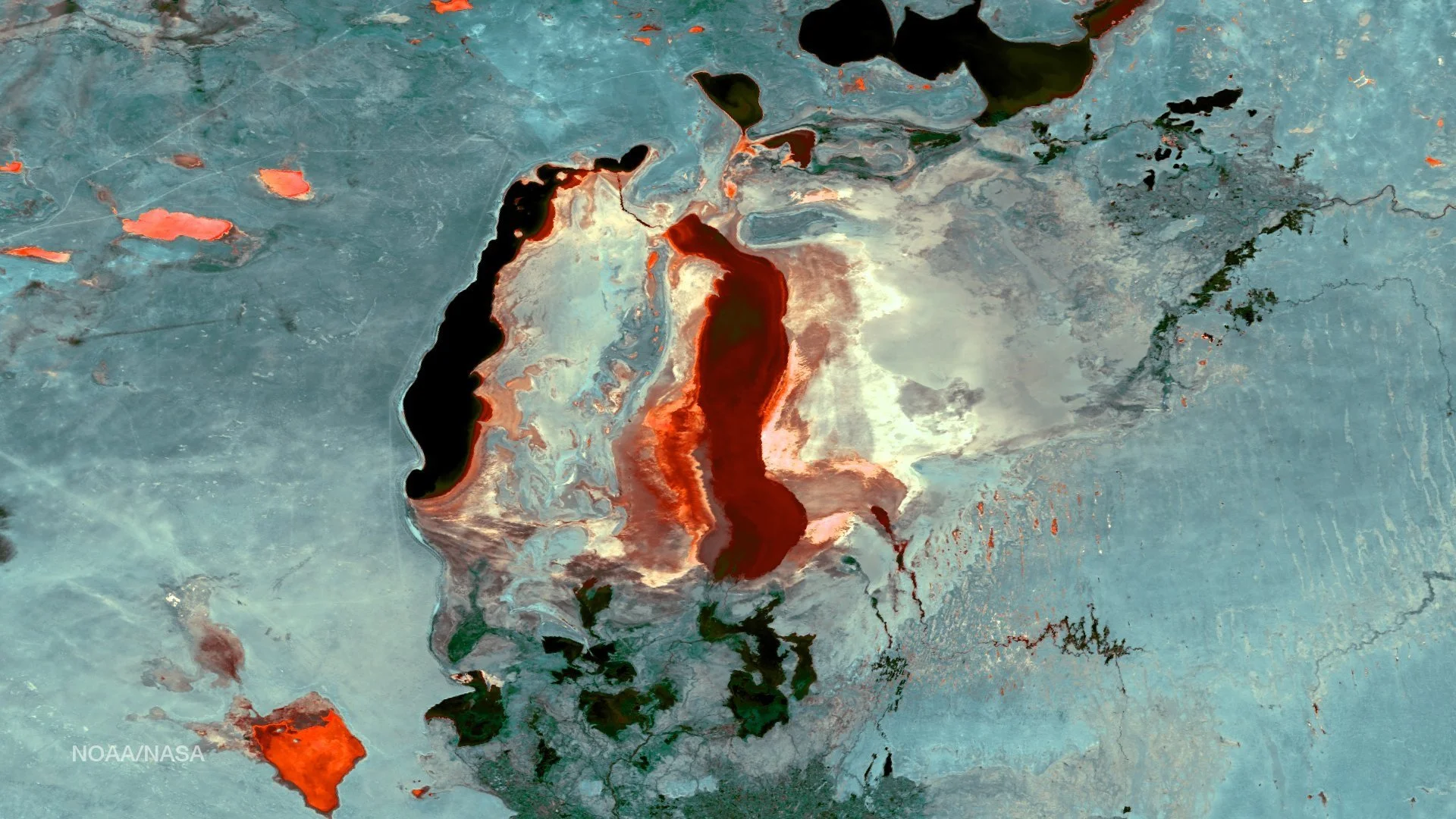
From the 1960s onwards, Soviet-era irrigation projects diverted the two rivers feeding it — the Amu Darya and Syr Darya — primarily to grow cotton across the Central Asian steppe. The sea began to shrink rapidly. By 1987 the water level had dropped so drastically that it split into two separate bodies of water: a smaller northern sea in Kazakhstan and a larger southern sea. The southern basin then continued its decline, splitting into eastern and western lobes (the eastern lobe dried up entirely in 2014). What remains of the southern basin is a vast salt flat — the Aralkum Desert — dusted with pesticide residue and toxic mineral salts from decades of agricultural runoff and residue from Soviet-era chemical weapons testing in the region.
The climate consequences were stark. The lake had acted as a thermal buffer, moderating the regional climate with milder winters and cooler summers. As it vanished, the surrounding region lost that regulation: seasonal extremes intensified, with harsher winters and hotter summers. Salt and dust storms began sweeping across the exposed lakebed, damaging crops, poisoning soils, and causing severe respiratory illness in local communities. Biodiversity collapsed. By the mid-1980s, most of the species recorded in the Aral's ecosystem in 1960 had disappeared, the fishing industry that once employed tens of thousands of people was destroyed, and the wider ecosystem entered a cycle of degradation.
Following the construction of the Kokaral Dam in 2005, the northern section of the sea has seen some recovery: its surface area has grown by around a third and some fish species have returned. The southern basin, meanwhile, remains all but gone. The lesson of the Aral Sea is therefore not simply one of total and permanent collapse — it also demonstrates that targeted and sustained intervention can begin to reverse even severe damage.
The Aral Sea is a story of human activity triggering ecological disaster and local climate disruption — a cautionary tale showing what runaway climate change and environmental collapse looks like at civilisational scale, and a complex one: part catastrophe, part tentative lesson in recovery.
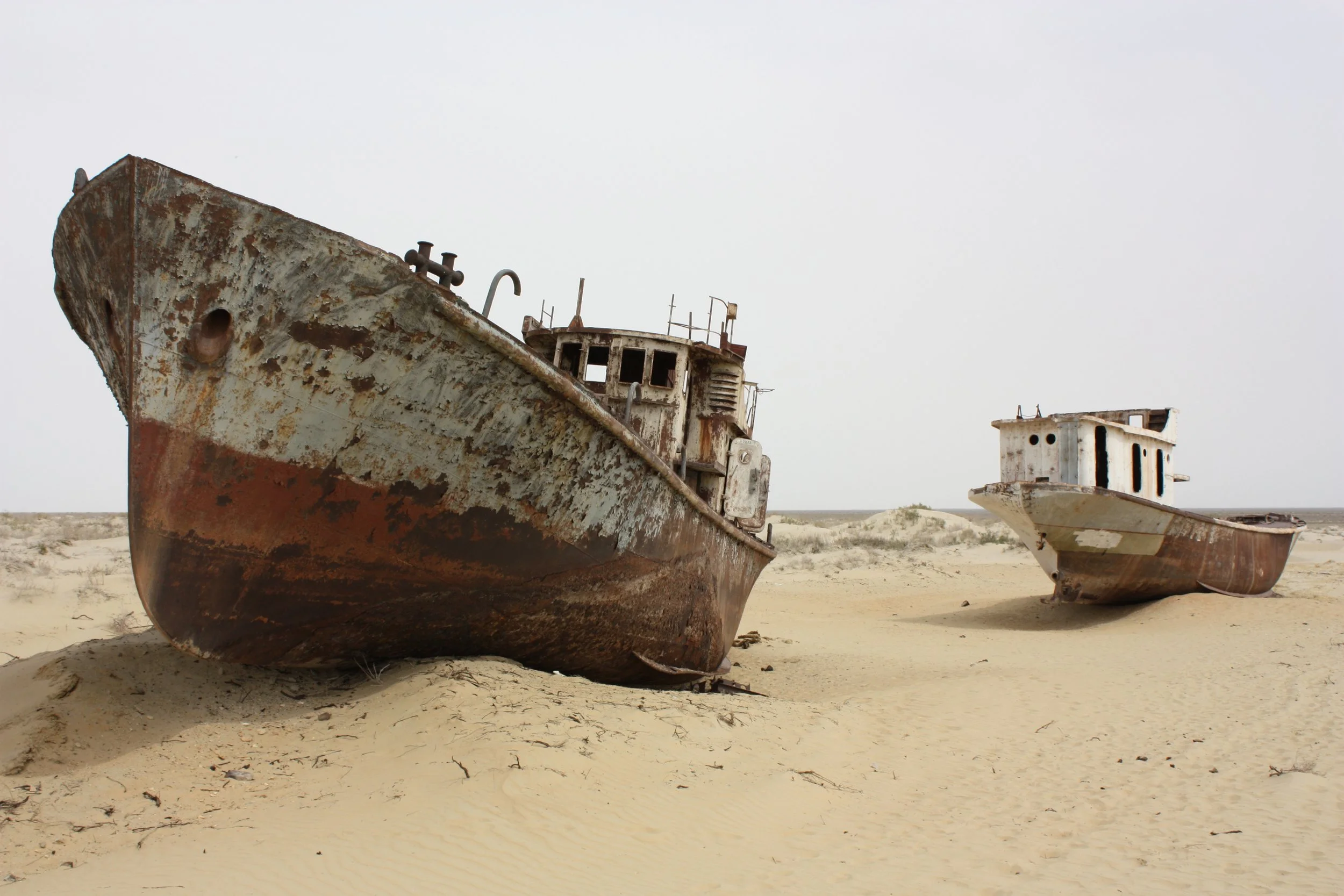
Image: Arian Zwegers
The story of the ‘two seas’ is one that speaks to the feedback loops between climate change, biodiversity loss, and human activity.
The Aral Sea demonstrates what happens when human decisions strip an ecosystem of its natural climate-regulating function; the Bothnian Bay demonstrates what happens when global emissions strip an ecosystem of its defining seasonal character. Both show that water bodies are not passive backdrops but active, functional parts of the Earth's climate and biodiversity systems — and that when they are compromised, the consequences for human and non-human life cascade unpredictably.